2026 Wedding Trends That Will Still Feel Elegant Years From Now
2026 Wedding Trends That Will Still Feel Elegant Years From Now
The best wedding trends are not copied. They are interpreted.
Trends are useful because they reveal what couples are craving: more personality, more atmosphere, more immersive guest experiences, and more permission to make a celebration feel specific rather than conventional. But the goal should never be to create a wedding that looks dated by the time the album arrives.
For 2026, the most compelling ideas point toward a more personal definition of luxury. Couples are prioritizing celebrations that feel meaningful, expressive, and tailored to their real lives. Pinterest’s 2026 wedding report highlights a shift away from fixed formulas and toward more personal, immersive celebrations.newsroom.pinterest
1. Wedding weekends with a sense of place
A wedding is increasingly becoming a series of moments rather than a single event. Welcome parties, after-parties, farewell brunches, local guides, and guest hospitality make the celebration feel expansive without necessarily making it over-scheduled.
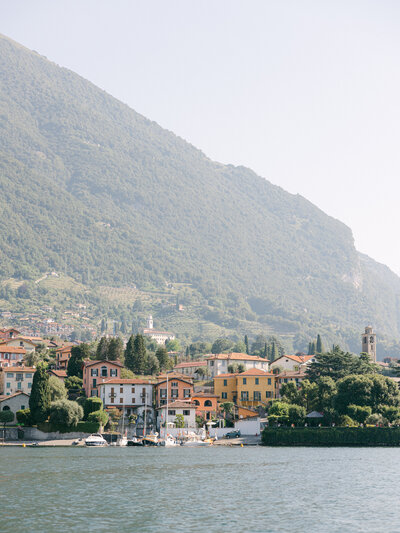
The most timeless version of this trend uses the destination as a point of inspiration. A Charleston welcome party should not feel interchangeable with a Jackson Hole welcome party. Let the food, music, setting, and guest activities reflect where you are.
Zola’s 2026 research found that 37% of couples host at least one additional wedding event and 18% are planning a two- to three-day wedding weekend.zola
2. Hospitality as design
The guest experience is becoming part of the design language.
This means the details that welcome, guide, feed, and surprise guests are as considered as the floral centerpieces. Think curated welcome markets, meaningful local gifts, custom hat bars at a mountain or ranch wedding, Champagne moments, caviar service, destination-specific menus, and late-night hospitality that feels polished rather than excessive.
The most successful version is useful, not branded for branding’s sake. Guests should feel cared for—not marketed to.
3. Color with confidence
Neutral weddings will always have a place, but many couples are embracing more distinctive color stories. The most sophisticated palettes use color as a mood, not as a theme.
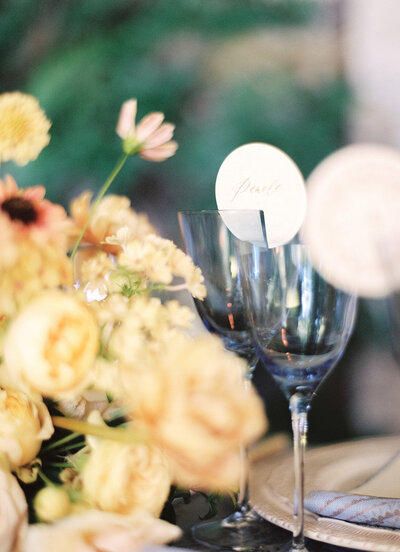
Instead of “blue and white,” consider inky blue, butter yellow, faded hydrangea, polished silver, and soft stone. Instead of “pink wedding,” consider raspberry, petal pink, tobacco, oxblood, and candlelight. The difference lies in nuance.
A timeless palette has depth: a foundation, an accent, a texture, and room for light to change it throughout the event.
4. Immersive tablescapes and long-form dinners
Dinner is returning as a central experience rather than an intermission before dancing. Couples are investing in tables that feel layered, intimate, and transportive: beautiful linens, sculptural florals, candlelight, thoughtful menus, exceptional service, and a pacing that allows conversation to happen.
The point is not simply a styled table. It is a dinner guests want to remain seated for.
5. Fashion-forward personal style
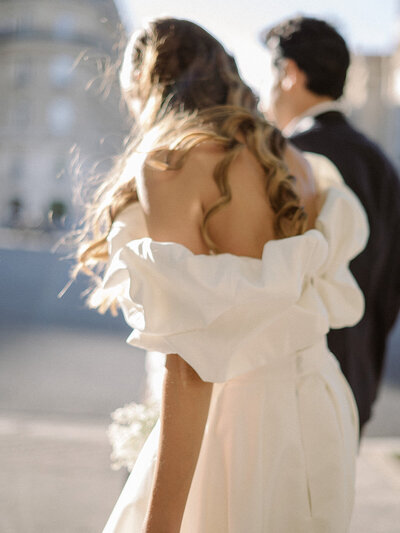
Bridal fashion is becoming more individual. Couples are choosing looks that feel more like personal style than a prescribed wedding uniform: unexpected tailoring, editorial accessories, multiple looks, vintage details, strong suitings, personal jewelry, and pieces that honor heritage.
The timeless approach is to choose what makes you feel like yourself at your most confident—not what is most likely to go viral.
6. Ceremony experiences that feel intimate
The ceremony is becoming more emotionally intentional. Couples are thinking about how guests hear, see, and feel the moment: circular seating, meaningful readings, live musicians, an intentional processional, thoughtful sound, and a setting that feels connected rather than performative.
Even for a large guest count, proximity and good audio can make the ceremony feel intimate.
7. Surprises with substance
Guests still love a surprise, but the most successful ones enhance the energy rather than interrupt it. A late-night band, a meaningful cultural tradition, a fashion change, a dessert reveal, an unexpected performance, or an interactive hospitality moment can feel memorable when it fits the couple’s story.
A surprise works best when it feels inevitable in retrospect: of course they did that.
How to avoid a trend-led wedding
Ask these questions before committing to any design idea:
-
Would we still love this if it were not everywhere online?
-
Does this suit our venue and destination?
-
Does it create a better guest experience?
-
Does it connect to our story, taste, or values?
-
Can we execute it well within the budget?
-
Is it visually beautiful because it is specific, or only because it is currently popular?
If the answer is clear, it may be worth doing. If not, let it go.
Final thought
A timeless wedding is not trendless. It is edited. It uses current ideas as raw material, then shapes them into something personal, place-driven, and lasting.
About Amberly Odom: Amberly Odom is the founder of Wrennwood Events, a luxury wedding planning, event design, and hospitality company serving Atlanta, Dallas, Charleston, Austin, Napa, Big Sky, Jackson Hole, and destinations beyond. Her work combines editorial design, thoughtful guest experience, and precise event production to create celebrations that feel personal, effortless, and fully considered.
Planning your wedding? Inquire with Wrennwood Events →
Editorial permissions: This article is original Wrennwood Events content. Publications, brands, and media outlets seeking to quote, excerpt, republish, or adapt this content must request written permission through our contact form.
Written by Amberly Odom, Founder of Wrennwood Events
Luxury wedding planner, event designer, and hospitality strategist serving Atlanta, Dallas, Charleston, Austin, Napa, Big Sky, Jackson Hole, and destination celebrations worldwide.




COMMENTS